

iPhone Duo’s U.S. Get Ready Deadline Is 9 p.m. Pacific
Save iPhone Duo selections before 9 p.m. Pacific on October 15, eight hours before preorders open. Apple also lists UK and Hong Kong cutoffs.

Practical help for getting more from your devices.
Save iPhone Duo selections before 9 p.m. Pacific on October 15, eight hours before preorders open. Apple also lists UK and Hong Kong cutoffs.
Apple’s new accessories simplify setup, but a useful buying budget still needs installation, camera-plan requirements and a check of the Apple Home hardware already in the house.
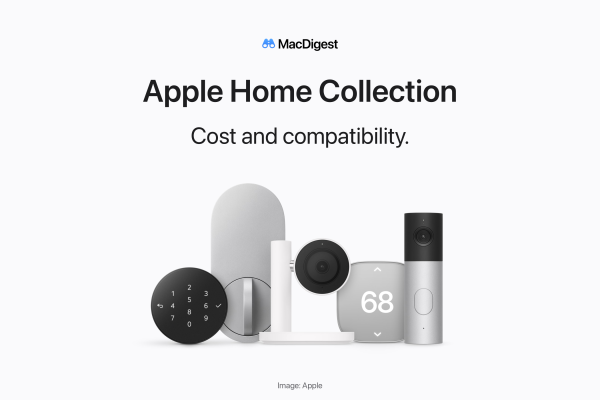
Siri AI is also coming to recent Apple TV 4K models. The stronger upgrade reasons are built-in hands-free control, newer connectivity, and four-speaker audio, with a $895 box-and-speakers subtotal before tax.

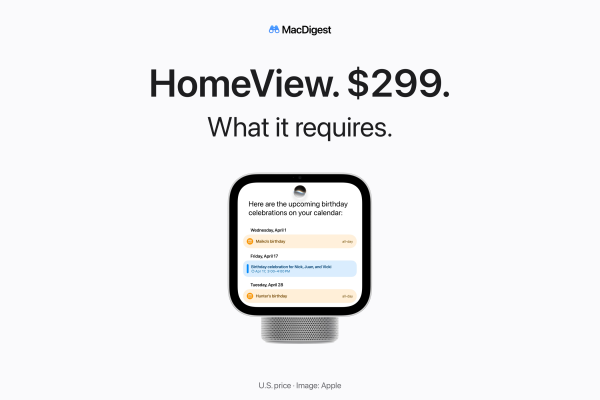
HomeView starts at $299, but personal Siri features, shared-screen privacy, AI limits and wall-mount hardware all have conditions worth checking before ordering.
Some older Developer ID certificates will stop supporting installer packages on February 1, 2027. Apple explains which downloads need attention.
Apple’s U.S. Get Ready page lets buyers prepare their selection, but checkout still opens October 16. Saving a configuration does not guarantee stock.
Apple’s October 13 experience raises three questions for buyers: compatibility, household privacy, and which features will actually be available at launch.
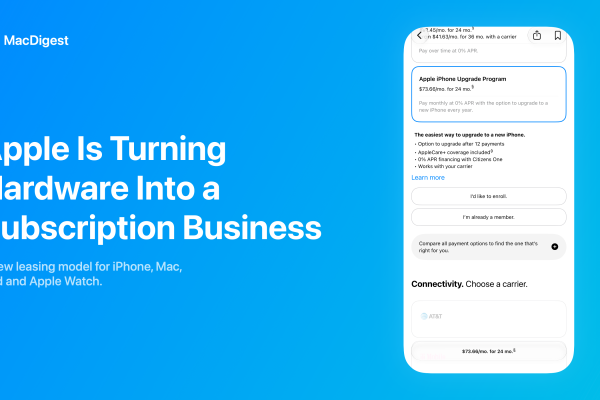
Apple is preparing a new leasing program that could change how customers buy iPhone, Mac, iPad and Apple Watch. Apple is preparing a new device leasing program called Apple Upgrade, allowing customers to pay monthly for iPhone, iPad, Mac and Apple Watch devices instead of paying the full price upfront. The program is expected to…
Apple posted a support document this week. Starting with macOS 28, the Mac OS Extended format, known as HFS+, will only work on drives that aren’t encrypted. A drive that is both HFS+ and encrypted stops working once you install macOS 28, so it needs handling first. The update ships in 2027. Only that one…

Jamf Threat Labs disclosed a new macOS stealer on July 3. It’s called PamStealer, and it does one thing most Mac malware doesn’t: it confirms your login password is real before stealing anything. The trick Most stealers just log whatever you type. PamStealer verifies it first, through Apple’s Pluggable Authentication Modules (PAM). Enter the wrong…
